
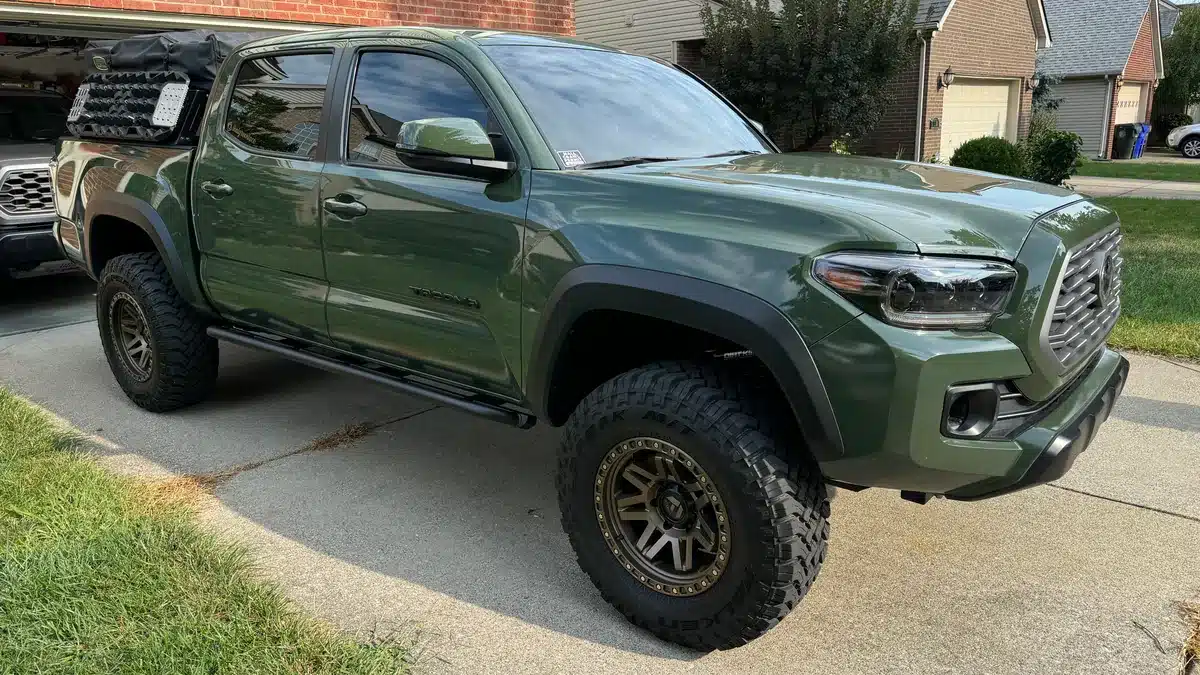
That lazy pause when you roll into the throttle is not just “how Toyotas drive.” Neither is a transmission that grabs another gear halfway up a grade, then drops one again a few seconds later. Toyota engine tuning benefits show up where truck and SUV owners actually use their rigs: leaving a stoplight, merging onto the interstate, climbing a hill with camping gear, or picking through a rough trail at low speed.
For Tacoma, 4Runner, Tundra, FJ Cruiser, and Lexus GX/LX owners, a quality calibration is less about chasing a flashy dyno number and more about making the vehicle act like it should have from the factory. Better throttle mapping, more predictable transmission behavior, and power delivery that feels connected to your right foot can change the whole driving experience.
Why Stock Toyota Calibration Can Feel Flat
Toyota builds vehicles for a massive range of drivers, climates, fuel quality, emissions requirements, and warranty considerations. The factory calibration has to work for the owner who never tows, the fleet vehicle that sees constant idling, and the SUV that spends its entire life in stop-and-go traffic. That broad compromise leaves room for improvement when you know how a specific platform is used.
The most common complaint is throttle response. Press the pedal and there can be a noticeable delay before the truck moves with real intent. Drivers often press farther to get the response they wanted, then back out of it when the vehicle finally reacts. That makes smooth driving harder than it needs to be.
Transmission behavior can be equally frustrating. Many Toyota and Lexus trucks are programmed to favor fuel economy and conservative operation, which can mean frequent upshifts, delayed downshifts, and gear hunting on rolling terrain. Add larger tires, extra weight, armor, a rooftop tent, or a trailer, and the stock strategy may feel even less suited to the job.
Toyota Engine Tuning Benefits Beyond Peak Power
A platform-specific tune changes the relationship between the engine, transmission, and driver. The best result is not a vehicle that feels jumpy or artificially aggressive. It is one that responds cleanly, holds the right gear longer, and delivers power in a way that makes sense for the road or trail ahead.
Sharper throttle response without the weird pedal feel
A properly calibrated throttle map reduces the dead space many drivers feel at the top of the pedal travel. Your Tacoma, 4Runner, or GX responds sooner and more consistently, so you do not have to bury the pedal just to keep pace with traffic.
That matters off-road, too. Controlled throttle response helps when easing over rocks, pulling through mud, or managing traction on a loose climb. The goal is precision, not a touchy pedal that makes every bump feel like a command to accelerate.
Smarter shifts and less gear hunting
Transmission tuning is one of the biggest real-world upgrades for Toyota and Lexus truck owners. Instead of constantly searching for the tallest possible gear, the calibration can hold useful gears under load and downshift with more confidence when you ask for power.
On the highway, that can mean fewer unnecessary shifts while towing or crossing rolling Kentucky backroads. In town, it can make the truck feel calmer and more predictable. For an overland build carrying extra weight every day, it helps the transmission work with the vehicle’s actual setup instead of the factory’s assumed setup.
Better towing confidence
Towing exposes every weak point in stock drivability. A trailer adds load, hills demand torque, and a transmission that hunts between gears can make the whole combination feel unsettled. Tuning cannot change a vehicle’s tow rating or replace proper trailer setup, but it can improve how the truck manages the load within its intended limits.
A more decisive downshift, better gear holding, and a smoother throttle curve give the driver more control. That is especially noticeable when merging, passing at highway speed, or holding a steady pace on a grade. Your rig should not feel confused every time the road points uphill.
Support for larger tires and changed gear ratios
Larger tires are a common upgrade on Tacomas, 4Runners, Tundras, and Lexus GX models. They also change the effective gearing, which can make a stock transmission strategy feel even more off. The vehicle may shift at inconvenient times, feel slower off the line, or struggle to settle into a gear under moderate load.
Calibration can be tailored to complement the vehicle’s tire size and gear ratio. That does not erase the mechanical effect of a heavy tire or poor gearing choice, but it helps the engine and transmission operate more naturally with the modifications already on the truck. This is one reason generic, one-size-fits-all tuning is not the same as platform-specific calibration work.
The Difference Is Most Obvious in Normal Driving
People often expect tuning to matter only at wide-open throttle. In reality, the daily stuff is where most owners notice it first. Pulling out of a driveway, joining traffic, driving through a roundabout, or rolling into the throttle to pass a slow-moving vehicle all feel more direct.
That is why drivability is the right word. A tuned Toyota should feel easier to drive, not harder. It should require fewer pedal corrections, fewer frustrated stabs at the throttle, and less waiting for the transmission to make up its mind.
For a family 4Runner, that can mean smoother road-trip behavior. For a workhorse Tundra, it can mean a more composed towing experience. For a built Tacoma or GX, it can mean the calibration finally matches the suspension, tire, gearing, and loadout already on the vehicle.
What Tuning Does Not Fix
A good tune is a calibration upgrade, not a mechanical repair in a handheld device. It will not correct a failing transmission, clogged injectors, worn spark plugs, vacuum leaks, overheating, or a check-engine light that has been ignored for months. Starting with a healthy vehicle matters.
It also will not turn a naturally aspirated V6 into a completely different engine. If someone promises massive horsepower gains from a simple calibration on a stock platform, keep your expectations grounded. The more honest value is improved response, better shift logic, and a truck that feels more capable in the situations you already face.
Fuel use can vary as well. Some drivers see little change because the vehicle requires less throttle input and spends less time hunting gears. Others use the improved response more aggressively and burn more fuel. Your driving habits, tire size, load, terrain, and tune configuration all play a role.
Why Toyota-Specific Calibration Matters
Toyota and Lexus trucks have their own engine and transmission personalities. The right approach accounts for the exact platform, model year, drivetrain, modifications, and intended use. A daily-driven stock 4Runner does not need the same setup as a re-geared Tacoma on 35-inch tires or a Tundra that tows equipment every weekend.
That is where an authorized Overland Tailor Tuning retailer such as Kentucky Truck Tuning brings real value. The focus is not generic performance talk. It is selecting and installing a calibration that addresses the complaints Toyota and Lexus owners actually bring to the shop: soft throttle, awkward shifting, hunting gears, and a rig that feels less responsive after upgrades.
Before tuning, be clear about what you want to improve. Explain whether the truck is a commuter, tow rig, trail vehicle, overland build, or all of the above. Mention tire size, gear changes, added weight, and any engine modifications. Those details are not side notes. They are the difference between a tune that merely feels different and one that feels right.
The best Toyota engine tuning benefits are not measured by how dramatic the first test drive feels. They show up a week later, when your truck pulls cleanly into traffic, holds a sensible gear on the grade, and makes every mile feel less like a negotiation with the factory calibration.