
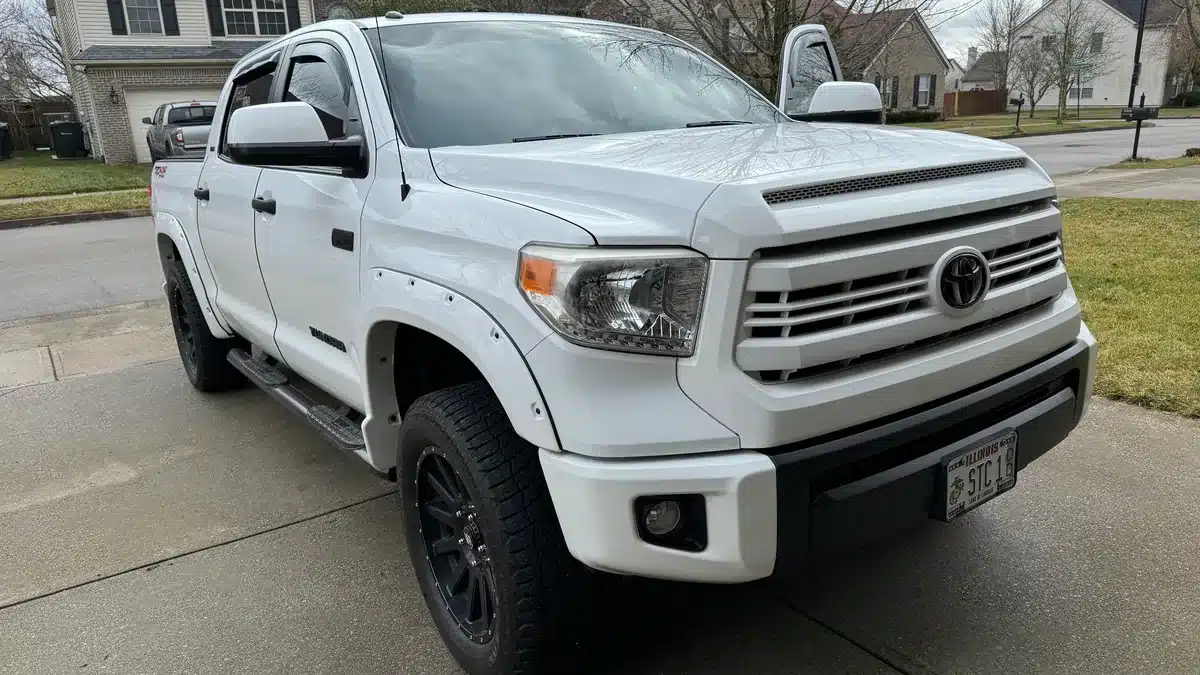
A Tacoma that feels perfectly fine on the commute can turn into a different truck with a camper, boat, or loaded utility trailer behind it. The throttle feels delayed, the transmission keeps grabbing for gears, and every hill becomes a negotiation. Knowing how to improve towing drivability is less about chasing a peak horsepower number and more about making the truck respond predictably under load.
For Toyota and Lexus truck and SUV owners, that means looking at the whole setup: trailer balance, hitch height, vehicle condition, gearing, and the factory calibration telling the engine and transmission what to do. Get those pieces working together, and towing stops feeling like you are constantly managing the truck.
Start With the Load, Not the Parts Catalog
Before changing the vehicle, make sure the trailer is not creating the problem. A trailer that is nose-high, tail-heavy, overloaded, or poorly balanced can make even a capable Tundra or GX feel unstable and awkward. It can also make the transmission shift more often because the load changes constantly as the trailer moves.
Keep trailer tongue weight within the manufacturer’s recommended range, commonly around 10% to 15% of total trailer weight for conventional bumper-pull trailers. Too little tongue weight is a recipe for sway. Too much can squat the rear suspension, lighten the steering, and put unnecessary stress on the rear axle and tires.
Hitch setup matters just as much. If the trailer is not close to level when loaded, correct the ball mount height before assuming you need suspension work. A weight-distributing hitch can be a major improvement for heavier trailers when it is appropriate for the vehicle and trailer combination. It moves some load back onto the front axle and can restore more confident steering and braking feel.
Do not overlook cargo placement inside the truck, either. A bed packed with recovery gear, coolers, tools, and a rooftop tent changes payload fast. Tow rating gets the attention, but payload often becomes the real limit first, especially on midsize trucks and SUVs.
Give the Truck a Solid Mechanical Baseline
Towing exposes weak links that daily driving can hide. If your vehicle has a hesitation, harsh shift, vibration, wandering steering feel, or cooling concern unloaded, expect it to become more obvious with a trailer attached.
Start with tire pressures. Use the pressure listed on the vehicle’s door-jamb placard as your baseline, then follow the tire manufacturer’s and vehicle manufacturer’s towing guidance if a higher rear pressure is recommended for the load. Do the same for the trailer tires. Underinflated tires generate heat, soften handling, and make the whole rig feel less planted.
Brakes deserve equal attention. Trailer brakes should be correctly adjusted and the brake controller should be set for firm, smooth stopping without trailer-wheel lockup. A controller set too low leaves the truck doing all the work. Set too aggressively, it can make every stop feel like the trailer is shoving and grabbing at the vehicle.
Fresh fluids and properly maintained cooling systems are not glamorous upgrades, but they matter. Engine oil, transmission fluid, coolant, brakes, wheel bearings, and trailer bearings all work harder when you tow. Follow the severe-service maintenance intervals in your owner’s manual when your truck sees regular towing, steep grades, off-road use, or high summer temperatures.
Improve Towing Drivability With Better Transmission Control
Most late-model Toyota and Lexus owners recognize the factory behavior: soft throttle input, a delayed downshift, then a more aggressive response than you asked for. Add a trailer, and that hesitation can turn into repeated gear hunting on rolling roads.
Gear hunting happens when the transmission keeps shifting between gears because it cannot decide which ratio will hold the load efficiently. Some shifting is normal. Constant upshifts and downshifts are not just annoying – they create heat and make speed control harder.
Tow/Haul mode, if your vehicle has it, should be your first move. It typically changes shift timing, holds lower gears longer, and increases engine braking on deceleration. But it is not magic. On some routes, manually selecting a gear range or using sequential shift control will produce a calmer pull than letting the transmission chase the tallest possible gear.
For example, if a 4Runner or Tacoma repeatedly shifts between fifth and fourth on a gradual grade, holding fourth may keep engine speed slightly higher but reduce shifting, improve throttle consistency, and lower driver workload. The right gear is the one that lets the engine pull steadily without lugging or constantly hunting.
Why calibration makes a difference
A vehicle-specific engine and transmission calibration can address the part of towing that hardware alone cannot: the truck’s decision-making. A quality Toyota/Lexus tune can sharpen throttle response, revise shift behavior, improve downshift logic, and make pedal input feel more connected to what the truck actually does.
That does not mean a tune magically raises the truck’s legal tow rating, payload rating, brake capacity, or cooling capacity. It does mean the truck can feel far more controlled within those limits. The goal is usable power delivery and more sensible transmission behavior, not a dyno-sheet bragging contest.
This is especially valuable on trucks with larger tires or changed axle ratios. Bigger tires effectively make the gearing taller, which can make towing feel lazy and encourage more hunting. A calibration set up for the actual tire size and gear ratio helps the speedometer, shift strategy, and throttle response work with the modified setup instead of fighting it.
For owners who want Toyota- and Lexus-specific calibration rather than a generic flash, Kentucky Truck Tuning provides authorized Overland Tailor Tuning support focused on the driving complaints these platforms are known for.
Match Gearing and Tires to the Job
A lift and larger all-terrain tires can improve trail capability and give a truck the stance you want. They can also hurt towing manners when the tire size exceeds what the factory gearing was designed to turn. More rotating mass and a taller effective gear ratio make acceleration slower and can push the transmission into frequent downshifts.
There is no single gear ratio that works for every build. A mostly stock Tacoma towing a lightweight utility trailer has different needs than a loaded overland build pulling a camper through eastern Kentucky hills. The more tire size, trailer weight, elevation, and highway grade increase, the more valuable lower axle gearing becomes.
Re-gearing is a serious investment, so do not treat it as an automatic answer. If your trailer is occasional and modest, better load setup, sensible gear selection, and tuning may solve the frustration. If you tow heavy often on 33-inch or larger tires, proper gears can transform how the vehicle leaves a stop, holds speed on grades, and manages transmission temperature.
Drive for Stability, Not Just Speed
Good towing drivability is also a driving habit. Leave room, build speed before a grade when safe, and avoid asking for full throttle after the truck has already bogged down. Use a lower gear early on long descents so engine braking helps control speed instead of overheating the service brakes.
Pay attention to crosswinds and passing trucks. If the trailer begins to sway, do not accelerate through it or saw at the steering wheel. Ease off the throttle, keep the wheel straight, and use the trailer brake controller manually if needed and if your controller instructions allow it. Then stop when safe and inspect load balance, tongue weight, tire condition, and hitch setup.
A properly set-up tow rig should not require white-knuckle corrections. You should feel the trailer behind you, but the truck should track straight, respond cleanly to the pedal, and hold a chosen gear without drama.
Build a Setup You Trust
The best towing upgrades are the ones that remove uncertainty. A level, balanced trailer takes the fight out of the steering wheel. Healthy tires and brakes make stops predictable. Proper gearing and smart shift control keep the engine in its useful range. A platform-specific tune can tie those improvements together by making your Toyota or Lexus respond the way a truck under load should.
Before the next long pull, test your setup close to home with the trailer loaded as you actually use it. A few miles of deliberate testing can reveal more than any parking-lot inspection – and it is the fastest way to turn a frustrating tow vehicle into one you are confident hooking up to.